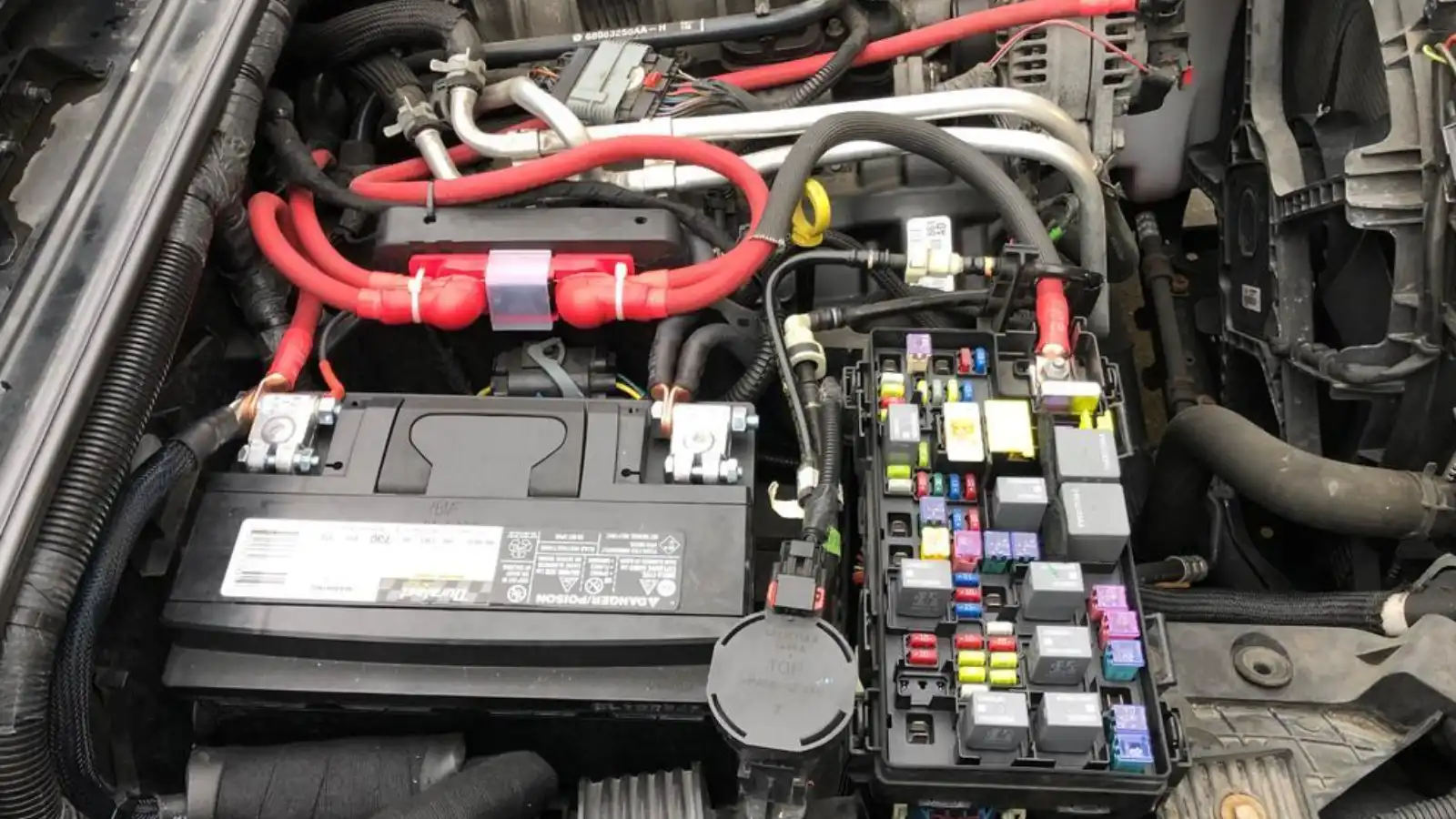
How to Choose the Right Battery Cable Gauge for Your Jeep
If your Jeep is having trouble starting, or you’re replacing old, worn-out battery cables, choosing the right cable size is an important part of the job. You might have already decided to replace the cables, but now you’re wondering whether you need 1 gauge, 2 gauge, or something heavier.
It’s a common question among Jeep owners, and the answer isn’t always as simple as looking up your Jeep’s year and model.
The right Jeep battery cable gauge depends on several factors, including cable length, electrical load, starter demand, cable routing, and the condition of your grounding system. Choosing the right cable can help your starter receive the power it needs and reduce unnecessary voltage loss during cranking.
Let’s look at what matters when choosing battery cables for your Jeep.
Why Battery Cable Gauge Matters
Your battery supplies the electrical power needed to start your Jeep. When you turn the key, the starter motor draws a large amount of current through the battery cables. If the cables are too small, damaged, corroded, or have poor connections, they can restrict the flow of current.
You may notice symptoms such as:
- Slow engine cranking
- Clicking when turning the key
- Intermittent starting problems
- Lights dimming during startup
- Poor electrical performance
- Voltage drop between the battery and starter
A cable that’s too small for the electrical demand can create unwanted resistance and voltage drop. This becomes more noticeable when the starter draws heavy current, especially in cold weather or when the engine is difficult to crank.
Choosing a properly sized cable helps deliver power where it’s needed without putting unnecessary strain on the starting system.
What Jeep Battery Cable Gauge Do You Need?
There isn’t one battery cable gauge that works for every Jeep. A cable that performs well in one setup may not be the best choice for another.
For example, a shorter battery cable may work effectively with a particular gauge, while a longer cable carrying the same current may need a heavier wire to reduce voltage drop.
When choosing a Jeep battery cable size, consider the following:
- Cable length: Longer cables have more resistance. As cable length increases, you may need a larger gauge to maintain proper electrical performance.
- Starter demand: Your starter motor needs sufficient current to crank the engine. The cable must handle that demand without excessive voltage loss.
- Electrical accessories: Winches, auxiliary lighting, upgraded audio systems, and other accessories can increase the demands on your electrical system.
- Cable routing: Tight bends, exposed areas, heat sources, and limited space can affect the type of cable and installation you need.
- Temperature: Cold weather can make an engine harder to crank, increasing the load on the starting system.
- Terminal configuration: The cable must fit the battery, starter, alternator, and ground connections correctly.
- Grounding condition: Poor engine grounds can cause starting problems even when the positive battery cable is in good condition.
These details matter more than simply matching a cable gauge to a Jeep model.
1 Gauge vs. 2 Gauge Jeep Battery Cables
One of the most common questions Jeep owners ask is whether they should use 1 gauge or 2 gauge battery cables.
Both sizes are used in automotive electrical systems, but they aren’t interchangeable in every situation.
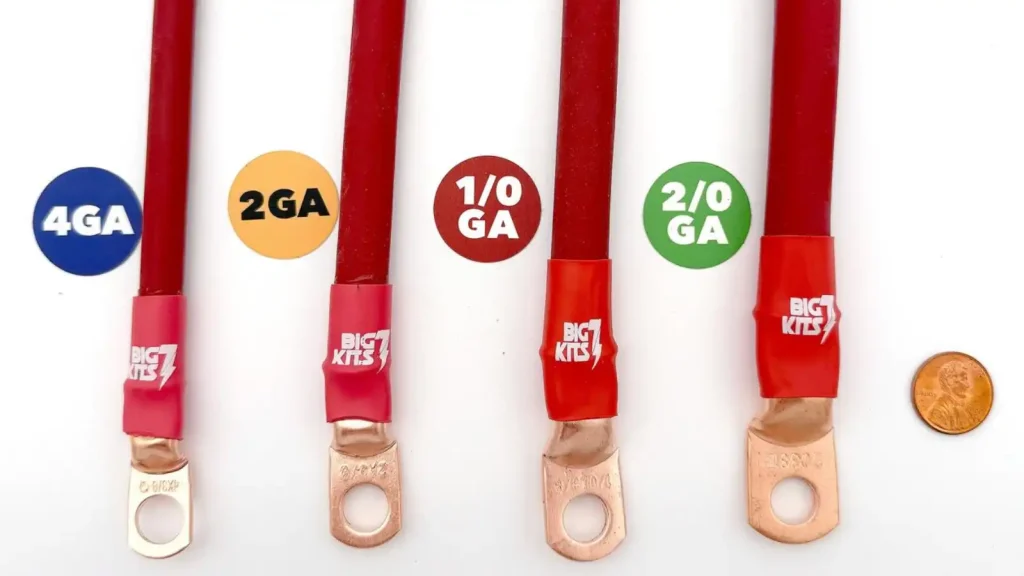
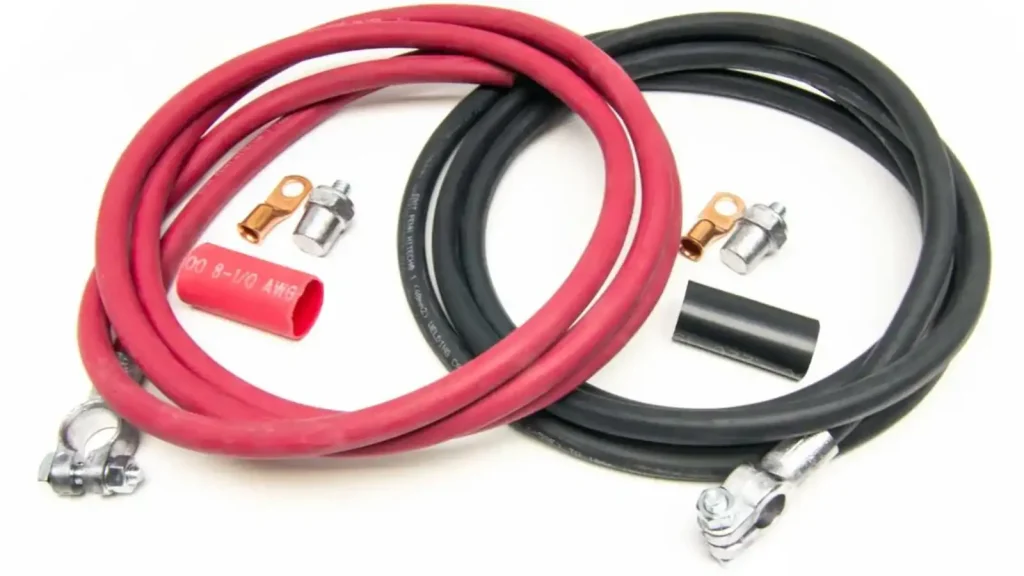
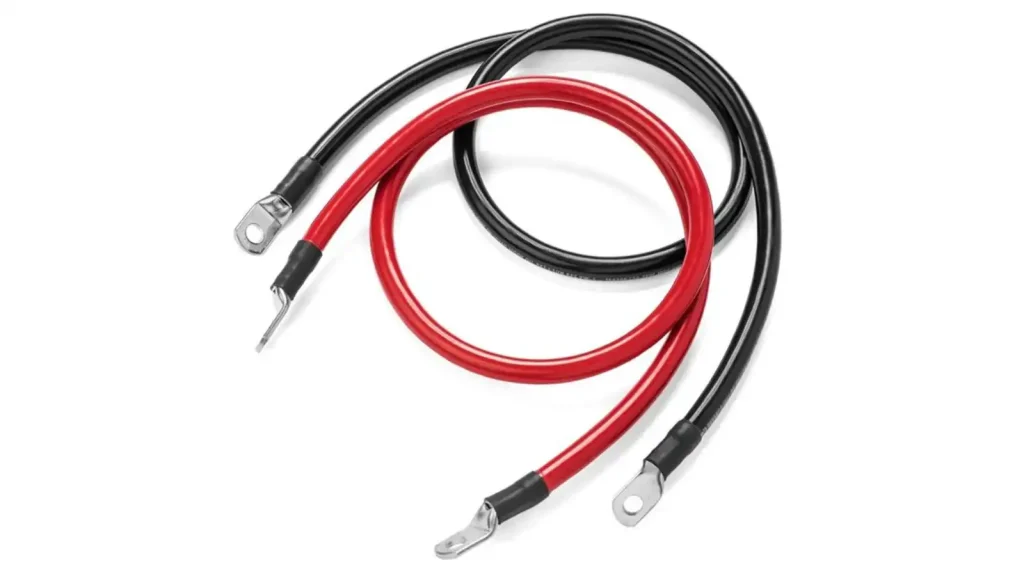
A 2 gauge battery cable may be suitable for certain setups where cable length and starting requirements are within its capabilities. A 1 gauge battery cable is thicker and offers less electrical resistance than 2 gauge cable of the same material and length.
If you’re dealing with longer cable runs, higher current demand, an upgraded starter, or a Jeep used for demanding work, moving to a heavier cable may be worth considering.
However, don’t assume that bigger is always the right answer. Cable size should match the actual electrical requirements, available space, terminal fitment, and installation conditions.
If you’re replacing your Jeep’s battery cables, it’s a good idea to check the complete cable path rather than focusing only on the gauge printed on the wire.
How Cable Length Affects Voltage Drop
Cable length is one of the easiest factors to overlook.
The farther electrical current has to travel, the more resistance it encounters. Even when the cable looks thick enough, a longer cable run can create additional voltage drop during engine cranking.
This is why two Jeeps with similar engines may not always need exactly the same cable size. Battery placement, starter location, cable routing, and modifications can change the electrical requirements.
If your Jeep has a relocated battery, aftermarket accessories, or a modified engine compartment, take the time to measure the cable length and inspect the routing before ordering replacement cables.
Don’t Forget Your Jeep’s Grounding Cables
The negative battery cable is just as important as the positive cable.
Your Jeep’s grounding system provides the return path for electrical current. If the ground cable is loose, corroded, damaged, or undersized, the starter may not receive the current it needs, even if the positive cable is perfectly fine.
Check the following connections:
- Battery negative to engine block
- Engine to chassis ground
- Body grounding connections
- Ground connections affected by rust, paint, or corrosion
A poor ground connection can cause slow cranking, intermittent electrical problems, and symptoms that are difficult to diagnose.
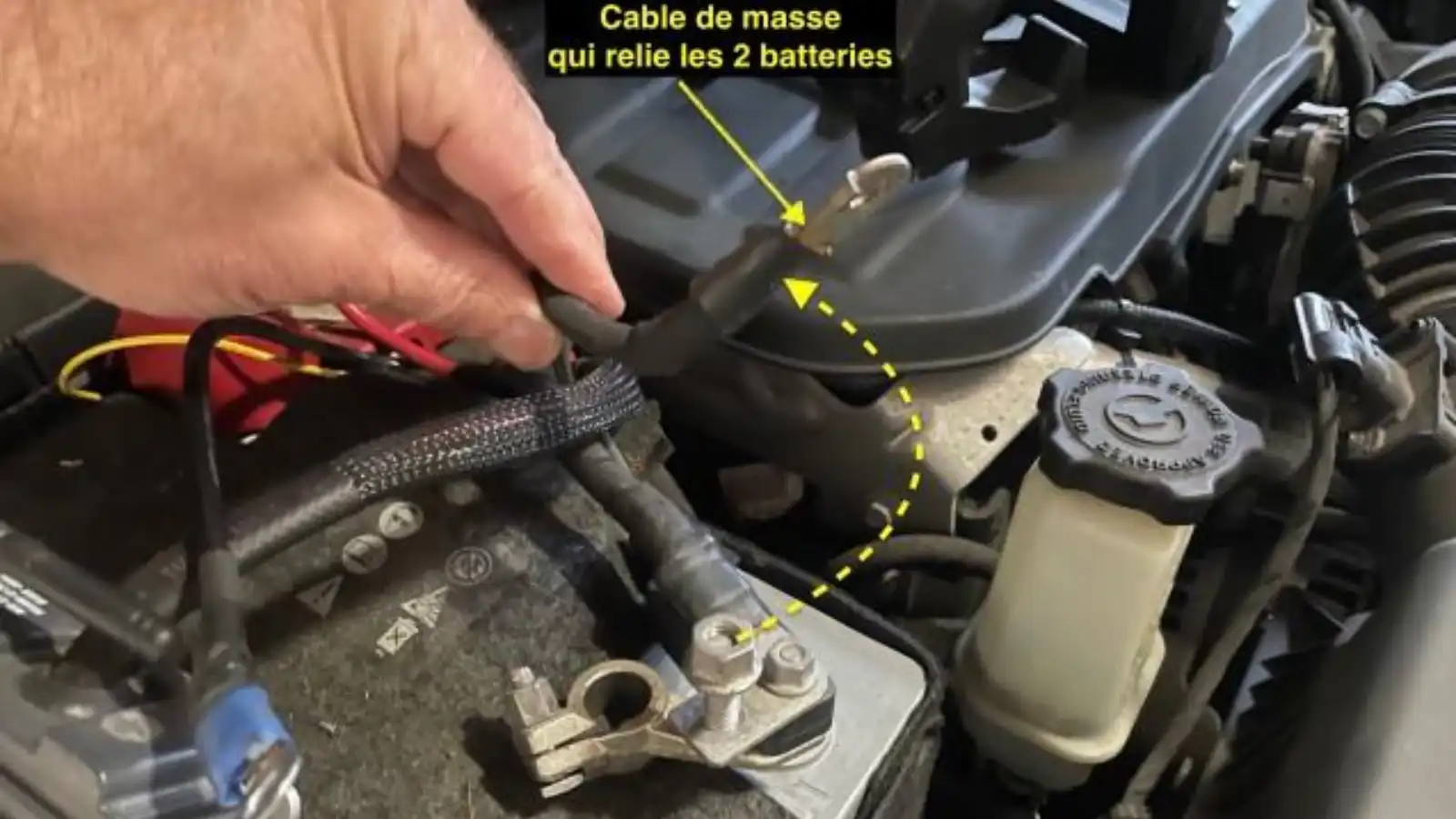
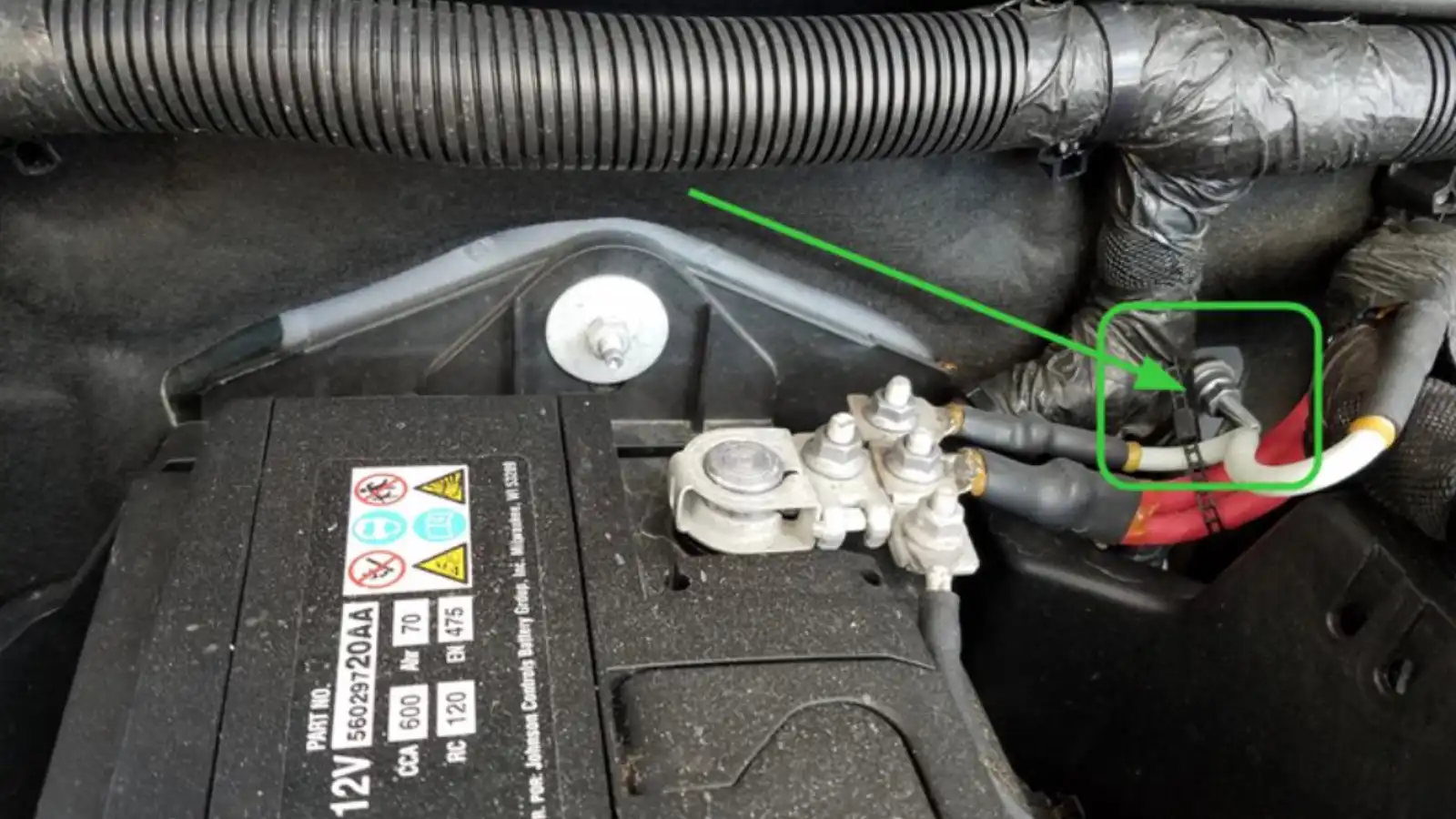
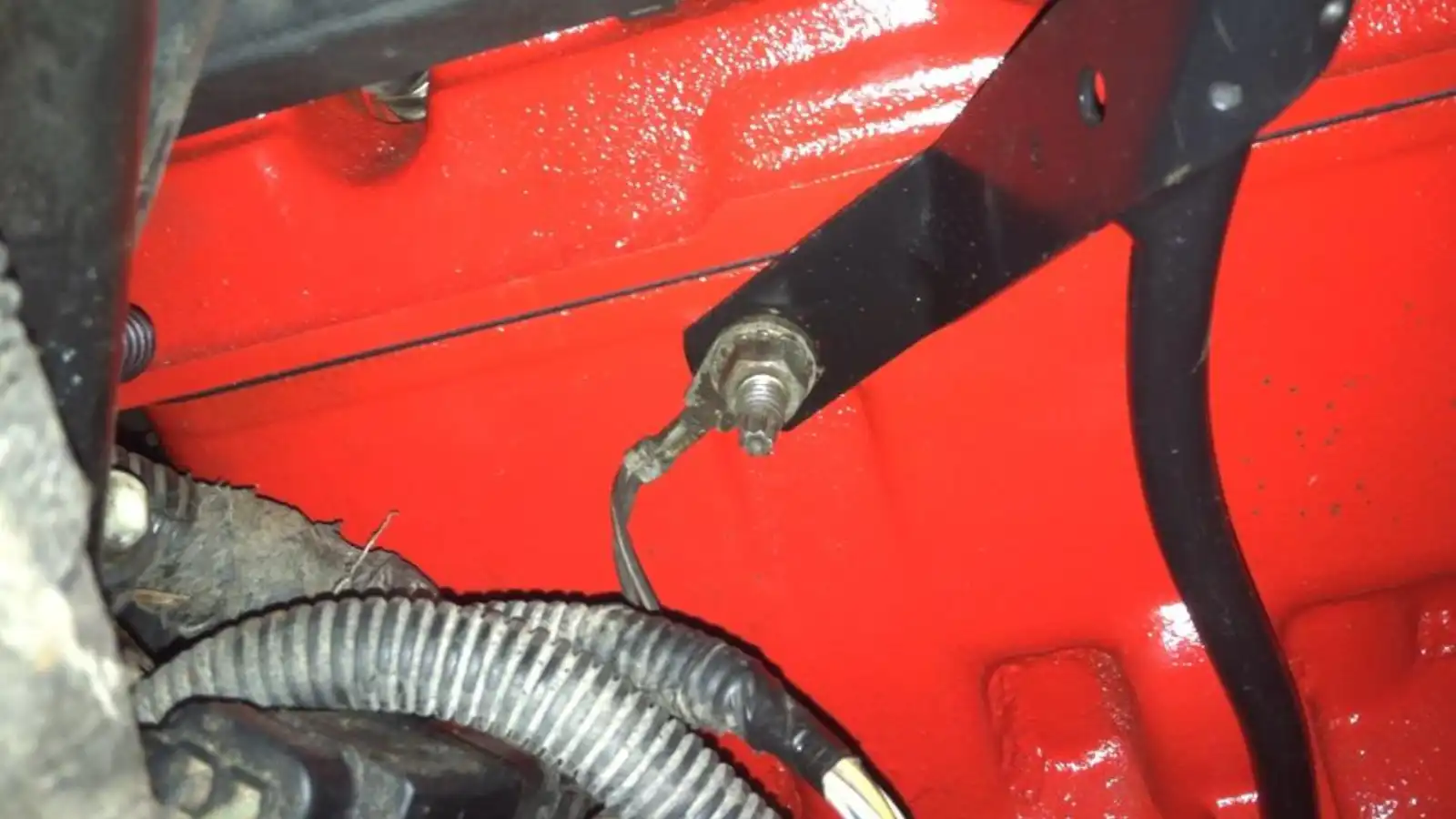
When replacing battery cables, inspect the ground system at the same time. In many cases, cleaning or replacing a damaged ground cable can make a noticeable difference in starting performance.
Signs Your Jeep Needs a Battery Cable Upgrade
If your Jeep struggles to start or you notice inconsistent electrical performance, your battery cables may be part of the problem.
Common warning signs include:
- Slow cranking even with a charged battery
- Excessive voltage drop during starting
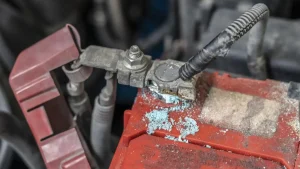
- Corrosion around cable terminals
- Damaged insulation or exposed copper
- Cables that feel unusually hot after cranking
- Loose connections at the battery, starter, or engine ground
Before replacing the cables, check the battery condition, starter, charging system, and connections. A weak battery or failing starter can produce similar symptoms.
Expert Tip from Custom Battery Cables: Don’t select a battery cable gauge based only on your Jeep’s model. Consider cable length, electrical load, terminal configuration, routing, and the condition of the grounding system. These details help you choose a cable that fits your setup and performs reliably.
Should You Upgrade to Heavy-Duty Jeep Battery Cables?
If your original cables are worn, corroded, damaged, or no longer suitable for your Jeep’s electrical setup, upgrading to heavy-duty battery cables can be a practical solution.
Quality battery cables made with pure copper, properly sized conductors, and solid terminal connections can help reduce unwanted resistance in the starting circuit. They also provide a dependable replacement when factory cables are difficult to find or don’t fit your modified setup.
For Jeep owners who tow, off-road, run additional electrical accessories, or depend on their vehicle in demanding conditions, having properly sized battery and grounding cables matters.
The key is choosing cables that match your electrical requirements rather than buying the thickest cable available.
Final Thoughts
Choosing the right Jeep battery cable gauge isn’t just about finding a number on a chart. It’s about understanding how your Jeep’s starting and electrical systems work together.
Cable length, starter demand, electrical accessories, routing, terminal configuration, and grounding all play a role in choosing the right size. Take the time to check these details before replacing your cables, and you’ll have a much better chance of solving the problem instead of simply swapping parts.
At Custom Battery Cables LLC, our goal has always been simple: solve the customer’s problem honestly and fairly. Whether we’re helping someone fix a hard-starting snowplow or building clean, good-looking cables for a show car, we want to provide the right solution for the job.
We build made-to-order battery cables in the USA for vehicles and equipment that need dependable connections. If you’re looking for replacement or upgraded Jeep battery cables, explore our Jeep Battery Cables to find a setup that fits your needs.
Frequently Asked Questions
What gauge battery cable is best for a Jeep?
The best battery cable gauge for your Jeep depends on cable length, starter current demand, electrical accessories, routing, and grounding. Check these factors before choosing between 2 gauge, 1 gauge, or a heavier cable.
Is 1 gauge or 2 gauge battery cable better for a Jeep?
Neither size is automatically better for every Jeep. A 1 gauge cable is thicker than a 2 gauge cable and has lower resistance for the same cable length and material. The right choice depends on your Jeep’s starting requirements and cable length.
Can the wrong battery cable size cause starting problems?
Yes. An undersized cable, damaged cable, corroded terminal, or poor ground connection can create excessive resistance and voltage drop. This can cause slow cranking or intermittent starting problems.
Do Jeep battery ground cables need to be upgraded?
If the original ground cable is corroded, damaged, undersized, or poorly connected, replacing or upgrading it may help restore a reliable electrical path. Always inspect the engine-to-battery and engine-to-chassis ground connections.
How do I know if my Jeep battery cables are bad?
Common signs include slow engine cranking, clicking during startup, corrosion around terminals, damaged insulation, excessive cable heating, or voltage drop during cranking. Test the battery, starter, and cable connections before replacing parts.
Are heavy-duty battery cables worth it for a Jeep?
Heavy-duty cables can be beneficial when properly sized for the electrical system, especially for Jeeps with demanding starting conditions, aftermarket accessories, longer cable runs, or modified electrical systems. Correct sizing and quality connections matter more than simply choosing the thickest cable.
About the Author
Vincent Eminowicz
Founder & Owner, Custom Battery Cables LLC
Vincent Eminowicz founded Custom Battery Cables in 2003 and has more than 20 years of experience building battery cables for personal vehicles and heavy equipment.
Custom Battery Cables LLC builds USA-made, made-to-order battery cables for specific vehicle applications.
The approach is straightforward: understand how the cable will be used, look at the electrical requirements, consider the actual configuration, and build the cable accordingly.
That practical experience is especially useful when a Jeep has a starting problem that doesn’t make sense because the battery itself appears to be fine.